


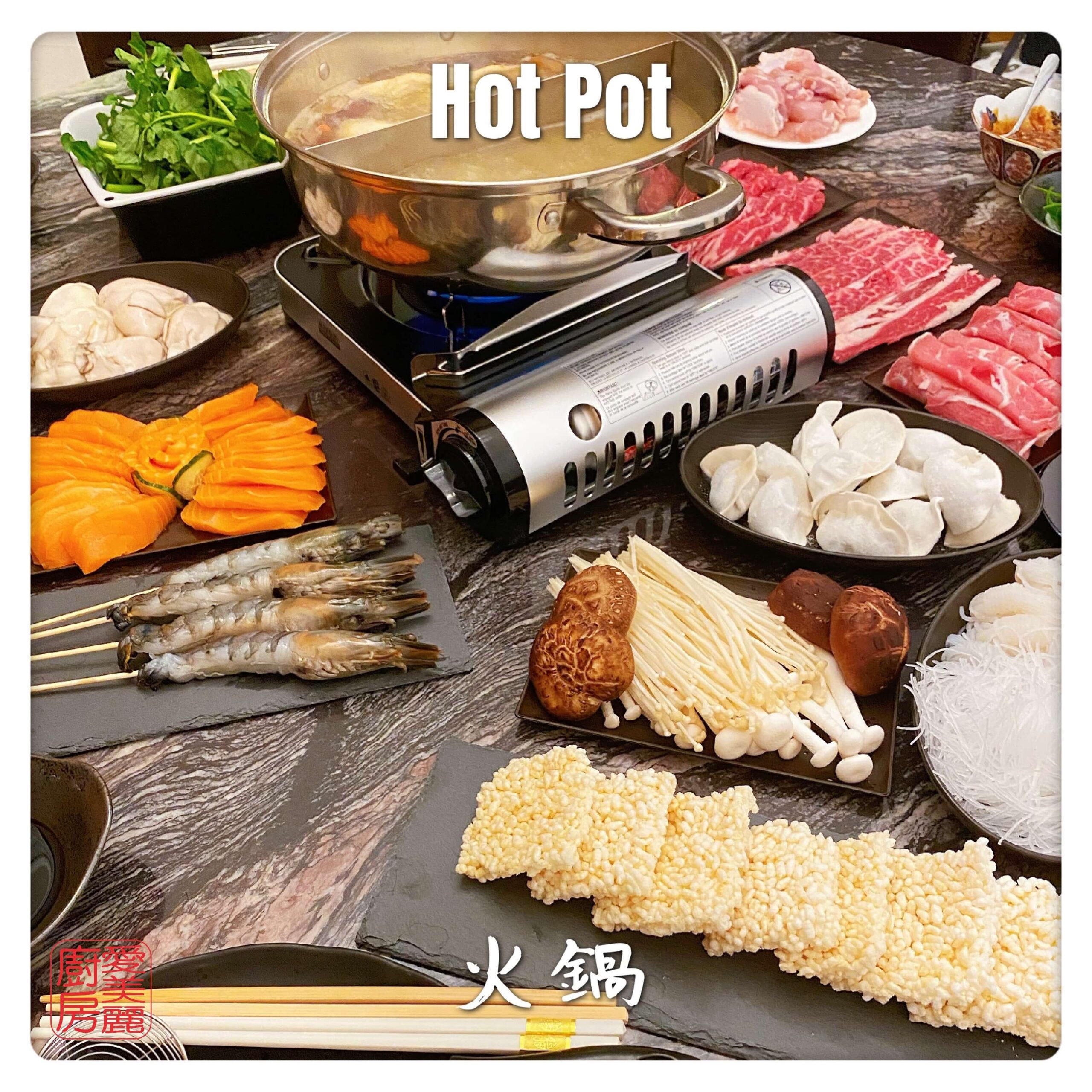

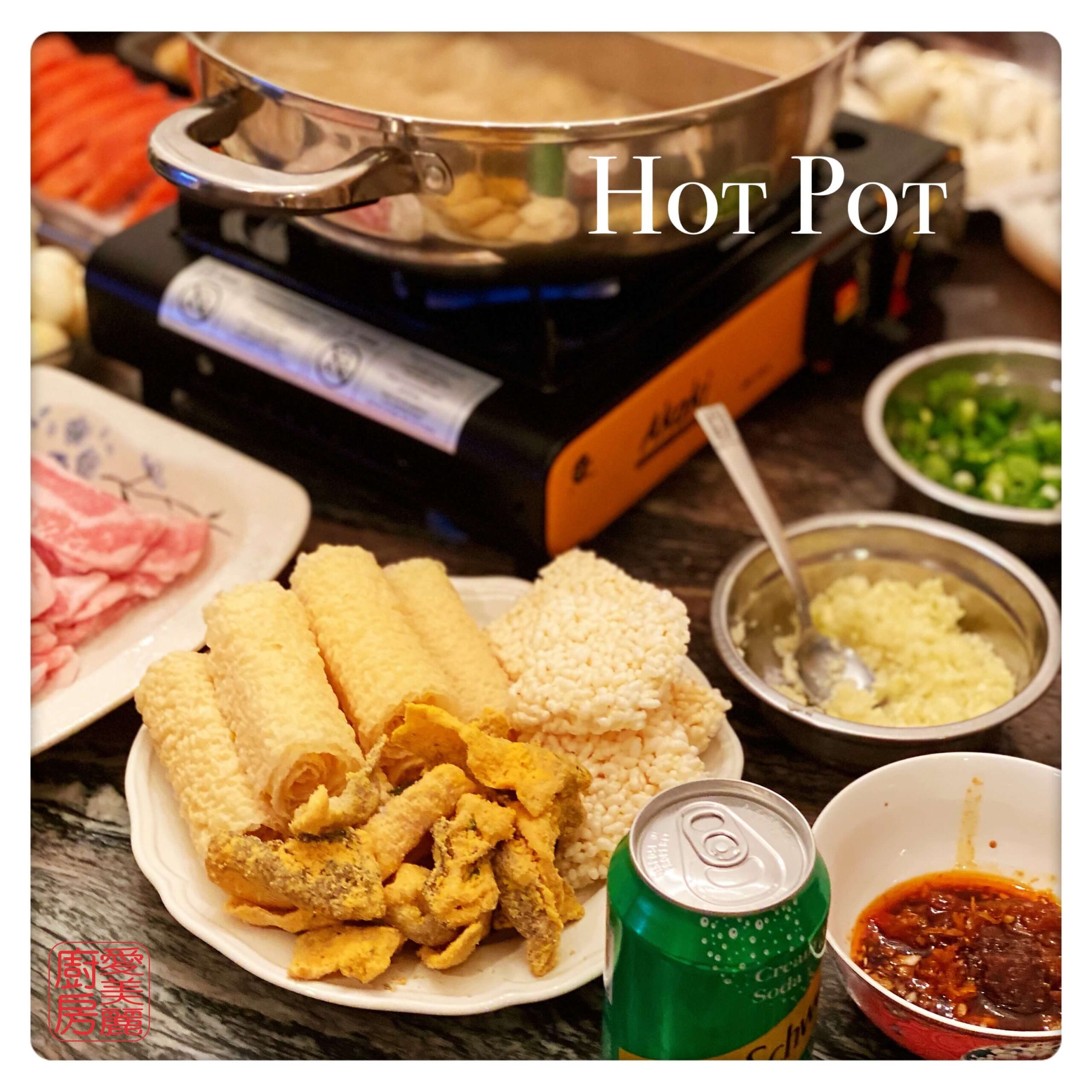

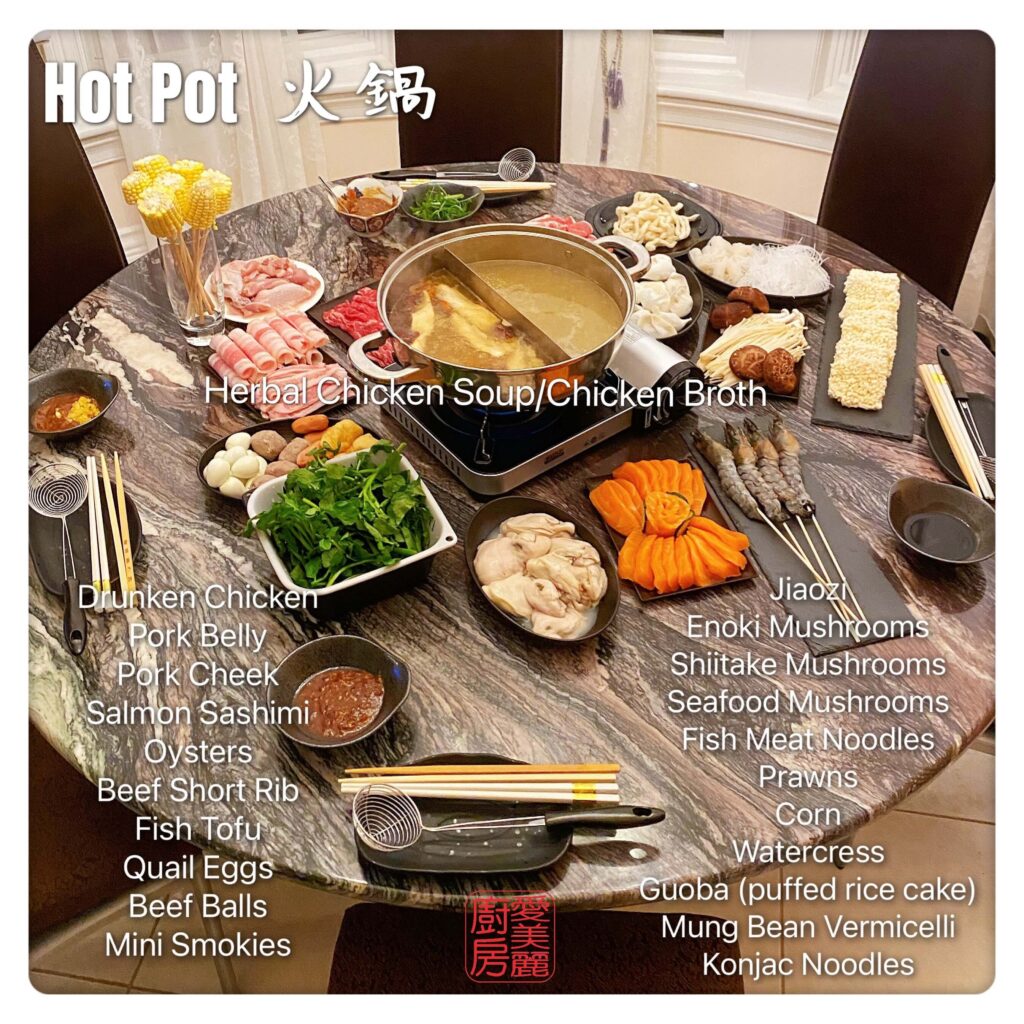
Hot Pot 火鍋 (huǒ guō, Cantonese: foa woa) or in Cantonese it’s also referred to as 打邊爐 (da bin lo). It’s traditionally hot pot season when it starts to get cold, although I’ve had it in July. Actually, now that I think about it, anytime is a good time for hot pot! I think it’s safe to say that many people have tried it. But for those who aren’t too familiar with it or need some new ideas for ingredients, I want to give you my take on it. I absolutely love hot pot and I think you’ll like it too, if you don’t already.
Hot pot is a very auspicious form of eating. First of all it’s fun. It’s a happy gathering when we have hot pot. Everyone gathering around cooking and eating symbolizes togetherness 團員 (tuán yuán). It’s no secret that family togetherness is of utmost importance in Chinese culture and for many other cultures too. Lots of families will get together for hot pot on Winter Solstice Festival for this reason. Second of all, the word for boil is 滾 (gǔn) which also has the meaning “to roll”. There’s an auspicious saying, 財源滾滾 (cái yuán gǔn gǔn) meaning “origin of wealth keeps rolling (in).” And who doesn’t want that? That’s why we eat hot pot during Chinese New Year celebrations as well.
Hot pot has been around since the Warring States period which is around 3000 years ago. It used to be called 古董羹, pronounced gú dǒng gēng because the bubbling of the soup makes the sound “gu dong, gu dong….”The name eventually evolved to 火鍋 (huǒ guō) which literally translates to “fire pot”. More precisely, it should be “fire cauldron” since it would be cooked in a cauldron over fire. It became a more common way of eating beginning in the Yuan Dynasty. Sliced meats, especially mutton would be used giving rise to the famous Beijing dish 涮羊肉(shuàn yáng ròu) which is basically lamb or mutton hot pot.
Modern day hot pots are a cornucopia of vegetables, meats and carbs. Still, that would be an understatement! Different regions in China will have different kinds of soups. You can have plain chicken broth, medicinal chicken broth (with various Chinese herbs), tomato-based broth and the super popular Mala soup. Mala 麻辣 (má là) means “numbing spiciness”. We tried it once and ordered it mild, but it was still too numbing for me! I always thought my spice tolerance was above average, but was I ever wrong! I couldn’t even tolerate mild! We asked if maybe the chef made a mistake and they laughed, in a nice way but they were still laughing at us! Now I know I’m a spice-wimp. I blame it on my southern Chinese roots!
Going to a hot pot restaurant is definitely the easiest way to get the full hot pot experience. Since these restaurants are so specialized, their prices are also going to be quite a bit higher than making it at home. Most have special exhaust fans and burners for each table. Some even have individual burners for better hygiene.
Now if you want to enjoy hot pot at home, you will definitely save on the ingredients. However, there is a bit of an initial investment if you want to be able to have people sit around a pot of boiling soup and cook their own foods.
Equipment:
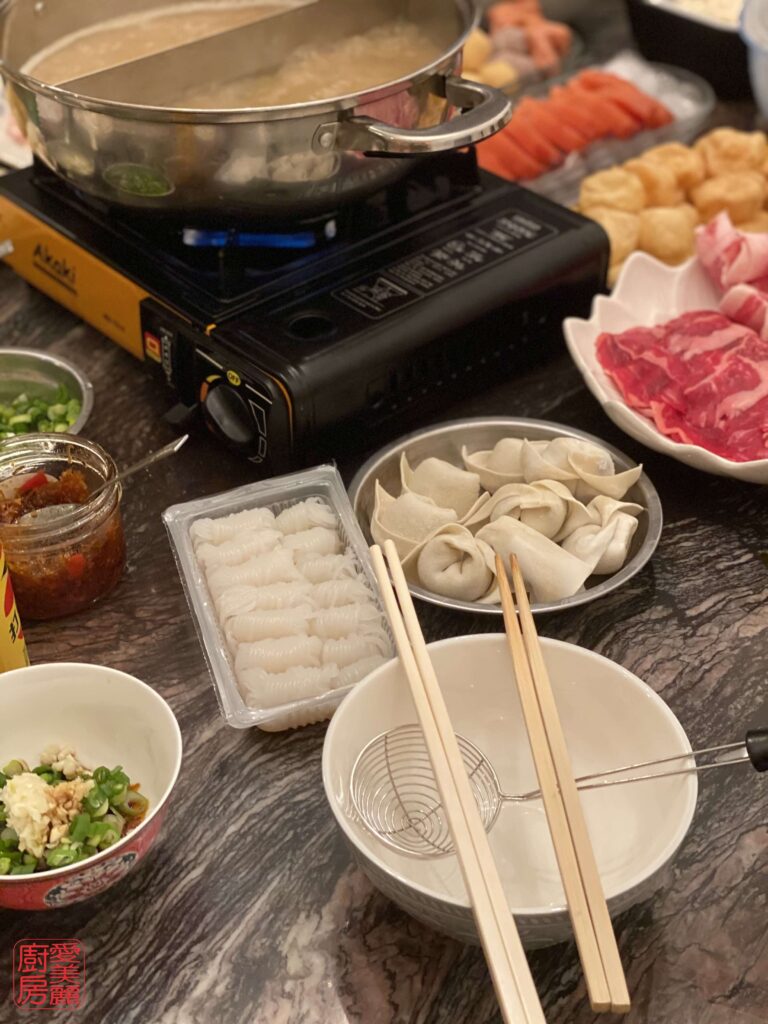
- Burner: you can find gas burners or electric cooktops at a hardware store or large grocery stores. I used to use an electric pot but my pot was too deep and the opening wasn’t wide enough which made it difficult for multiple people to cook their food at one time. I now use a gas burner that uses butane canisters. Our hot pot session typically lasts for 1.5 hours and we would use less than a canister of butane. But I always have a few on hand just in case. Electric pots and cooktops have a cord that you’ll need to be careful with especially if you have children.
- Pot: typically stainless. Preferably a pot that is around 8cm or 3” deep and 30cm or 12” diameter. Some of the pots are divided in half so that you can serve 2 different kinds of soup. I don’t prefer the 2-sided ones because the soups may have different boiling points and I end up having one side evaporating faster than the other side. I end up using the same soup for both sides. If you have more than 6 people, you’ll likely need a second set of burner and pot. Having said that, I’ve also had hot pot at a relative’s house where there were 12 people and we still used one pot. It was a bit cramped, but so much fun! (This was of course pre-pandemic). Tip: if you have more people, make a side of fried rice (fried glutinous rice goes well with hot pot), fried noodles and/or spring rolls.
- Mini strainer ladles: it’s not a must have but sure makes it easier to find lost treasures in the soup
- Wooden chopsticks: lots of them. They’re inexpensive and very useful for hot pots. I don’t recommend using the ones you get from your take-out orders because they’re too short so you might burn yourself. But I do use them as the “common chopsticks 公筷” for your meat dishes to prevent cross-contamination
When you really get into it, you may want to invest in sauce bowls as well as small colanders for your fresh veggies. Melamine plates are very handy for preparing the foods and then stacking them in the fridge prior to serving. Chopstick stands are a nice touch too!
(As an Amazon Associate I earn from qualifying purchases)
Soup:
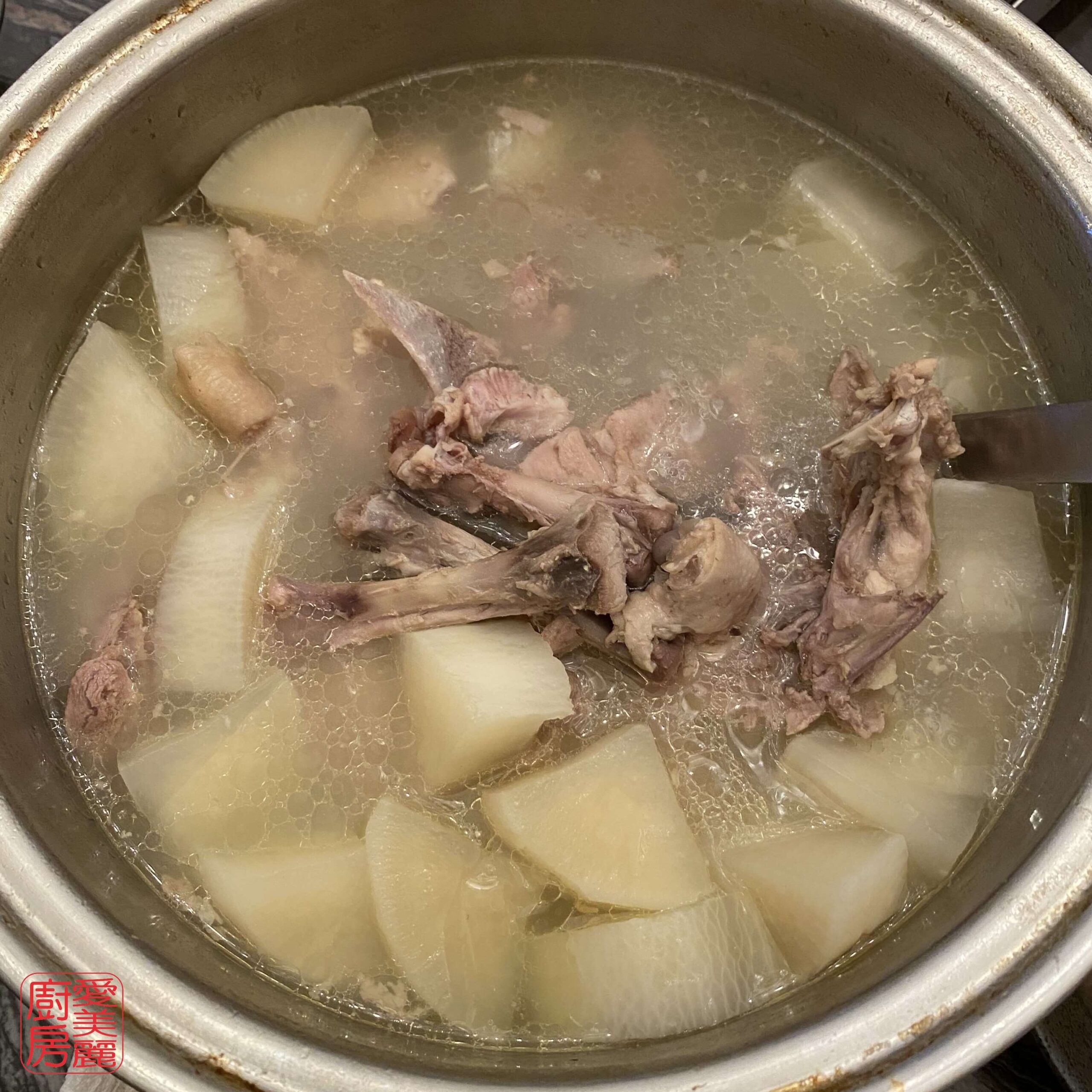


Chicken broth is the most common and is my favourite because it has a subtle taste so all the natural flavours of the food is preserved. The soup, after all the cooking is done, is awesome! But not everyone drinks the soup at the end. At some restaurants, they salt the soup quite a bit so that you don’t need any sauce but then it’s so salty that you can’t drink it. Personally, I only drink the soup only when I’m eating with family because you don’t know if anyone might have accidentally used their eating chopsticks in the soup. But that’s just a personal preference.
You can make your own broth or also store-bought broth. Chicken and pork usually work best because of the mild taste. Fish broth is quite delicious too. Beef broth generally has a bolder flavour and may not go well with some seafoods. However, there are specialized beef hot pots where you’re only consuming beef with beef broth.
It can also be as easy as just using water and by the time you finish cooking your foods in it, it can also be quite tasty. Chicken broth powder or chicken bouillon are also frequently used.
At all the Asian supermarkets I’ve been to in Vancouver, they all have packaged hot pot soup bases. So you just choose the flavour and add water.
Some popular broths or soups besides the ones I mentioned above are drunken chicken soup, coconut soup, Hong Kong borscht, satay soup, tomato tofu, fish soup, Korean bone broth with kimchi, laksa soup, Thai tom yum soup, ginseng soup, milk soup, preserved vegetable and fish soup, and miso soup.
Sauce:
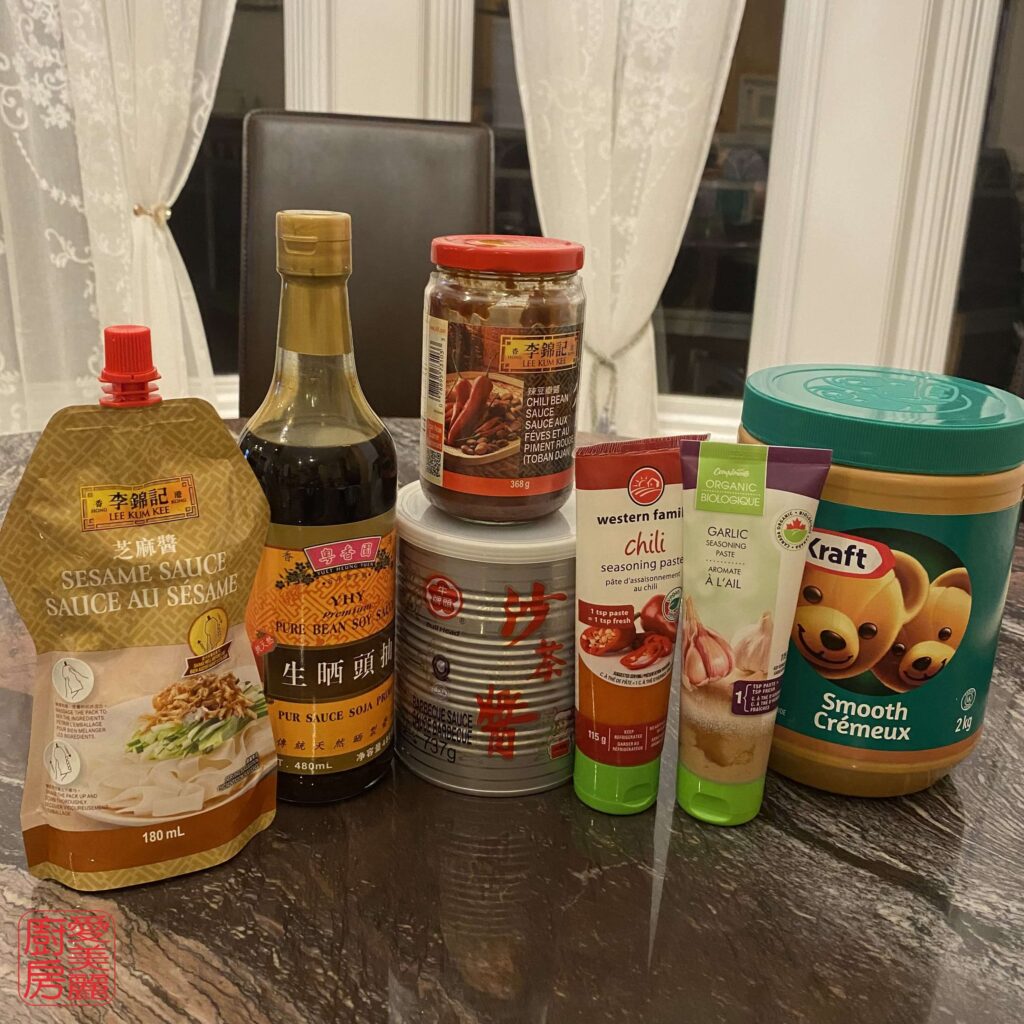
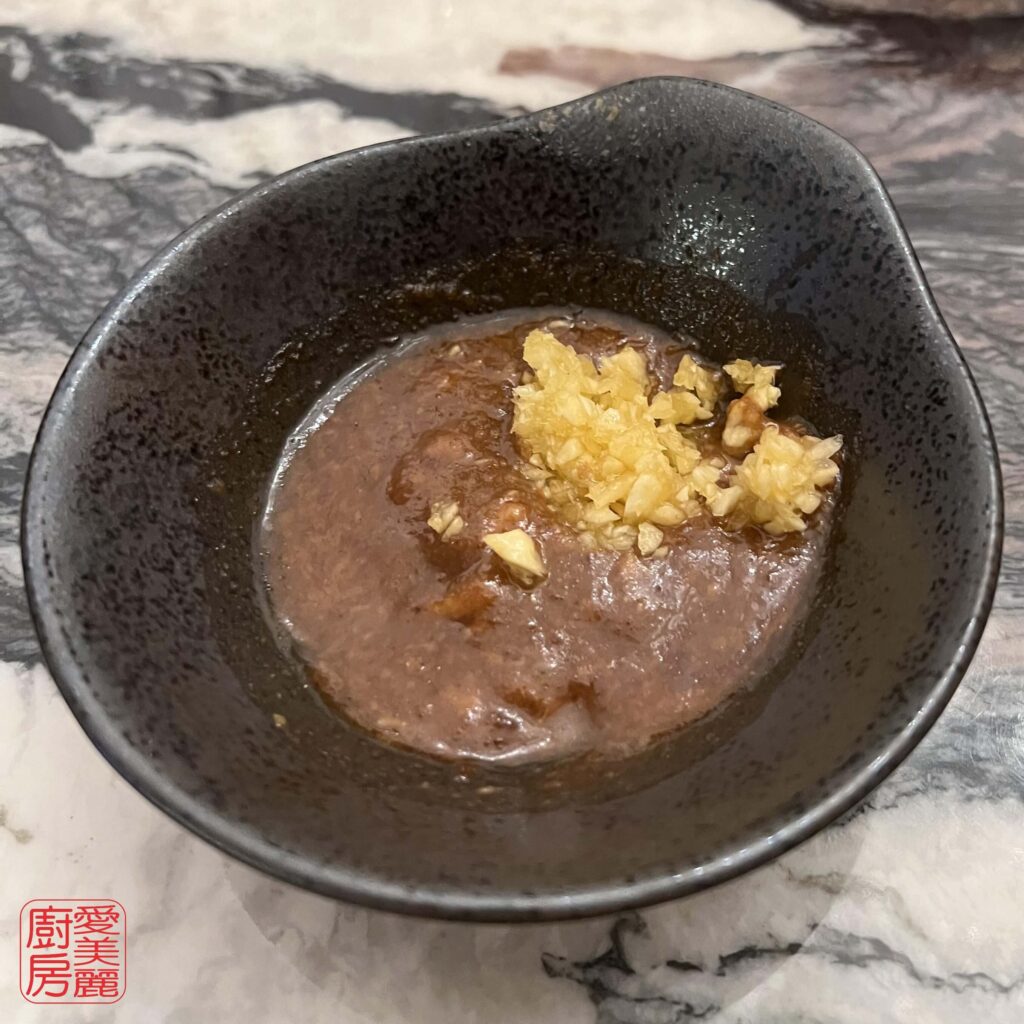
The basic sauce is light soy sauce. But that’s a bit boring. I like going to hot pot restaurants where they offer a smorgasbord of condiments that you can add. The ones at Haidilao Hot Pot Restaurants are very impressive. This is my personal favorite mix: shacha sauce, sesame paste, peanut butter, chopped garlic, finely sliced green onions, red chilis, spicy soy paste, chopped preserved Sichuan mustard stem, sesame oil and light soy sauce. Besides these ingredients, there’s also chopped cilantro, Sichuan chili oil, black vinegar, fermented bean curd, oyster sauce, peanuts, chopped olives, ginger, spicy and fermented black beans. There might be more but that’s all I remember.
Heatiness 上火/熱氣 (shàng huǒ/ Cantonese: yeet hei):
Some people refrain from eating too much hot pot because of the heatiness it can cause. Heatiness means that the inside of your body is excessively hot due to an imbalance in your body. In Chinese herbology, we are constantly trying to adjust the body to attain the perfect balance of hot and cold, dry and damp. You know when your body is out of balance when you get very cold hands and feet, skin breakouts, constipation, insomnia, gum inflammation, bloating and lethargy. There’s more but these are the more common ones. But there are ways to reduce heatiness in hot pot.
Hot pot will add heatiness to the body because it’s continuously boiling and contain the essence or juices from the meat that keep boiling. Doing a vegetarian hot pot won’t be as “heaty” but I do like my meats. However, heatiness isn’t all bad. It can help warm your body and balance the coldness. Most Chinese herbalists will say that hot pots are safe to consume once or twice every one to two weeks.
There are also ways you can reduce the heatiness in the hot pot. Adding some cooler ingredients in the soup like coconut (both the water and meat not the milk or cream), winter melon, lotus root, fuzzy melon, corn, potatoes, mushrooms, green leafy vegetables and white radish.
Another tip for minimizing heatiness is by letting the food cool down a bit before eating it.
Drinks:
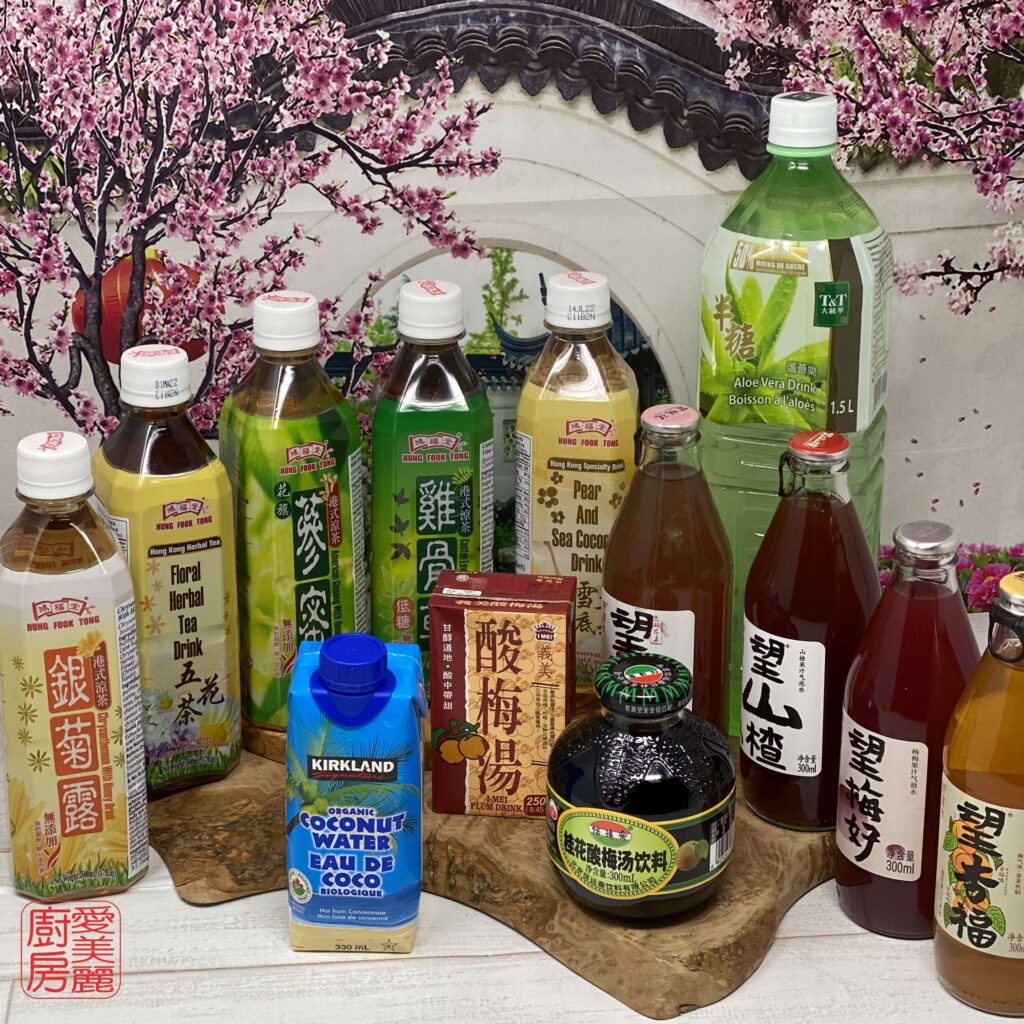
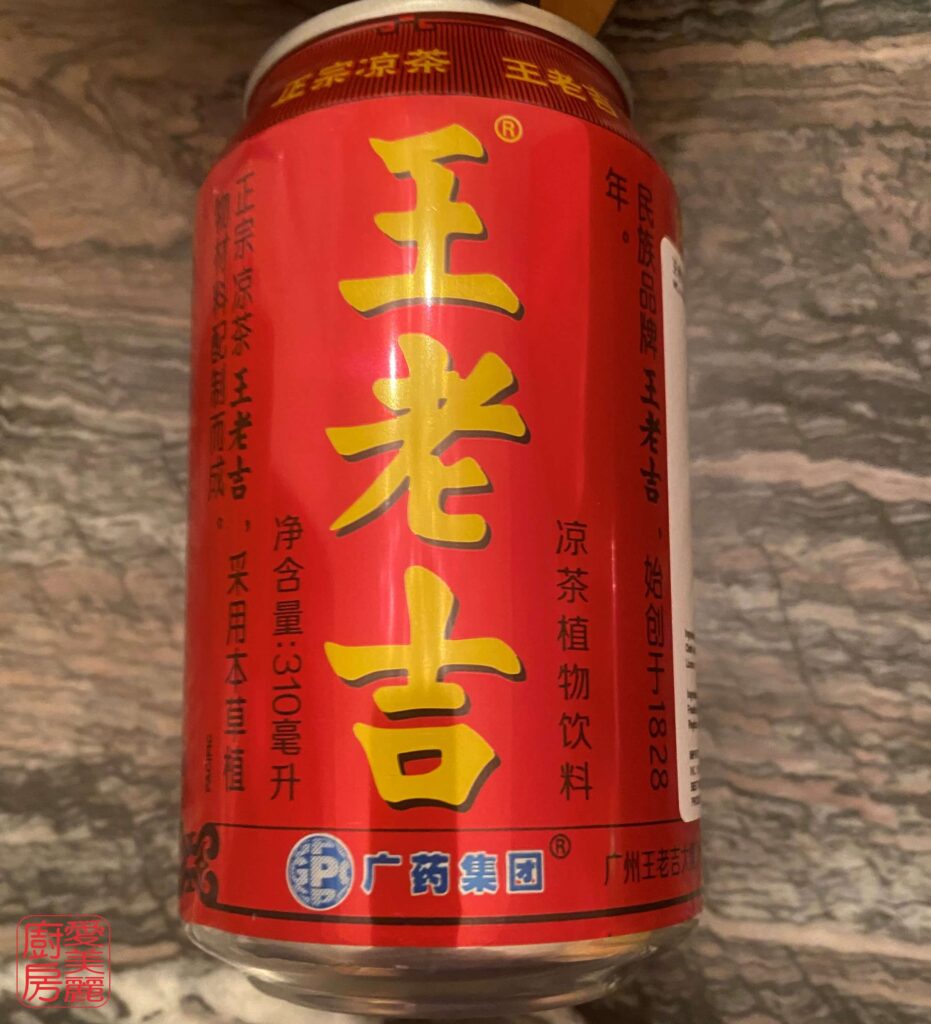


The right drink can help balance out the heatiness. The most popular drink to go with hot pot is the sour plum soup 酸梅湯 (suān méi tāng). It’s sweet, tangy and has a very distinct taste that not everyone will like. I’m the only one in my family who likes it. The rest of my family likes chrysanthemum and honey suckle tea 金銀花白菊花 (jīn yín huā bái jú huā). There are lots of herbal teas to choose from. You can make it yourself or buy them in bottles or cans from Asian grocery stores.
Schweppes Cream Soda 玉泉忌廉 (Cantonese: yoke chuen gei leem) is a very popular Hong Kong soft drink. It’s not like the pink ones we have in the west. My sister likes to drink this with hot pot.
Beer and aloe vera drinks are also a good choices because they have cooling effects.
FAQ’s:
- 1 or 2 pairs of chopsticks? Obviously eating with your immediate family will be different from eating with friends. Some people have the habit of using just one pair of chopsticks for eating and cooking their food. Although the broth is constantly boiling and most bacteria should be killed, if you’re sharing the pot with people not in your household, you should eat with one pair of chopsticks and cook your food with another. I usually eat with regular plastic chopsticks and I cook with wooden ones. Restaurants will usually offer many sets of chopsticks. If you’re serving raw meats, it’s a good idea to put a pair of chopsticks on the meat tray so that people know they should use those, hopefully.
- Should you cook for others? The best thing about hot pot is that you can pick and choose only the foods you like to eat. I usually start the hot pot by adding the stuff that takes longer to cook or the ones that can handle being in the soup for a while. For example beef balls, fish balls, dumplings, white radish, corn, chicken wings, dumplings and wheat gluten. You can prepare a separate plate for foods that are cooked but not claimed. Thin pieces of meat should be cooked individually in your mini strainer or with your wooden chopsticks.
- Should the soup be boiling all the time? It should be at a simmering boil which are little bubbles in the soup (this will reduce heatiness). But when you add communal items (items that wouldn’t be cooked individually) like the items mentioned in #2 and items like oysters and other shell fish, you should turn up the heat a bit so that the soup is at a rolling boil. Put the items in and cover with a lid for 3 minutes so that the soup gets a chance to reboil. Before the soup reboils, nobody should be cooking anything new. So, before adding these ingredients, you should give your guests a heads-up so that they finish up what they’re cooking and take a break.
- How do you know if the meat is cooked enough? It’s typically pork, chicken and oysters that you probably don’t want to guess if it’s cooked through. You can use a meat thermometer so you know for sure. But generally, I’ll have some kitchen shears nearby and cut it open to check. If it’s not done yet, just throw it back in the soup.
- When do we eat the vegetables and noodles? These items are typically cooked near the end when we start drinking the soup.
- Can I drink the soup earlier? Drinking a little is fine but if you take too much, the soup will be diluted and if everyone starts drinking it early, then you won’t get the final intense flavour from the soup.
- If we have soup leftover, can it be used? I would definitely use it for noodle soup or making congee.
- When the soup evaporates, do I add more broth or water? Either one can be used but of course adding broth will add more flavour.
Thin Sliced Meats:


You can cut them yourself, which is a lot of work, so consider going to the meat section at your Asian grocery store and getting them there. They are also in the frozen section. You’ll find some that are curled up and frozen. These ones don’t need to be thawed. They are designed to be cooked frozen. But remember to thaw the ones that lie flat.
These meats typically cook within 5-15 seconds. For red meats, I usually cook them for 5 seconds. For pork, depending on the thickness, they usually done in 10-15 seconds. You know they’re done when they curl up and not pink.
- Beef 牛肉片(niú ròu piàn) is probably the most popular ingredient and I can’t imagine hot pot without it. High quality fatty and well marbled thin slices of beef 雪花肥牛(xǔe huā féi niú) can set you back significantly. But, we can’t splurge all the time, at least I can’t! You can get pretty good marbled beef from regular short rib. Ribeye is also a good choice that won’t break the bank.
- Pork Belly 五花肉 (wǔ huā ròu): for those who don’t mind fat. Very popular and delicious
- Pork Cheek 豬頸肉 (zhū jǐng ròu): this is a must have for me. The meat is crisp and usually not too fatty
- Ox tongue 牛脷 (niú lì): one of the most flavourful cuts of meat. A tad chewy but also a popular choice
- Lamb 羊肉 (yáng ròu): for those who love the taste of lamb
- Pork shoulder 叉燒肉 (chā shaō ròu): similar to pork butt. Economical, lean and mild flavoured.
Other Meats:
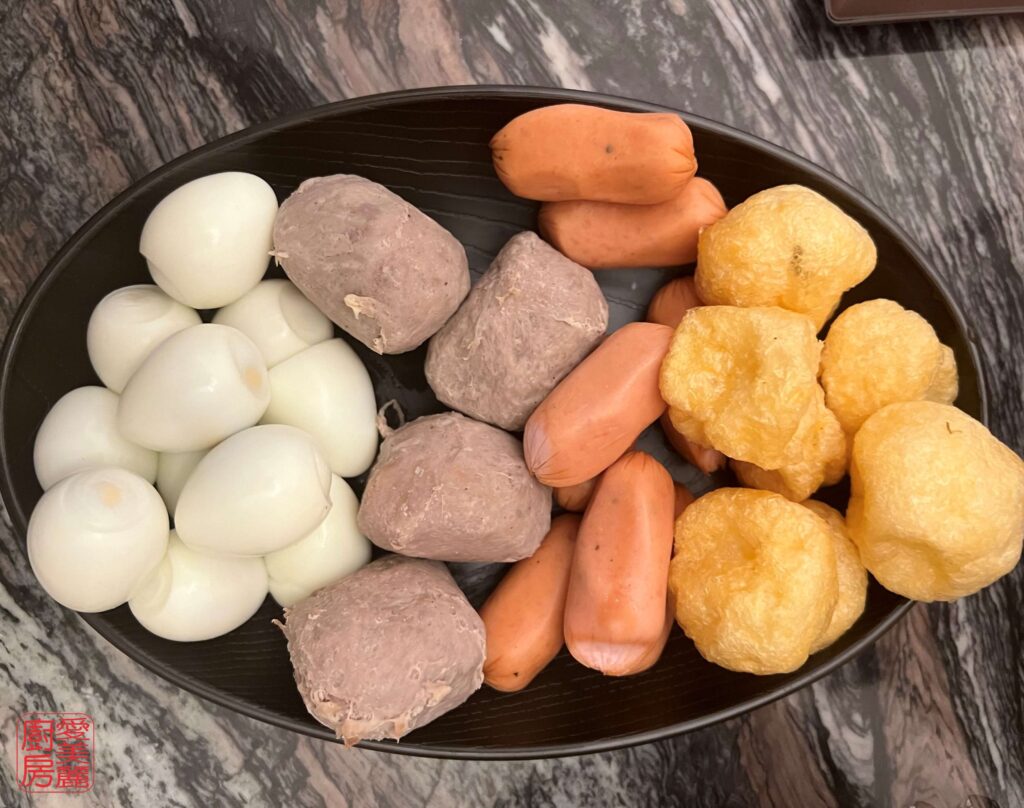

For raw chicken, always make sure the soup is boiling prior to eating.
- Chicken meat 雞肉 (jī ròu): usually cut into bite-size pieces. Cook small pieces for 2-3 minutes. I don’t particularly like using chicken meat unless they’re in big pieces and you can dump it all in at one time. This is typical for medicinal chicken soup or drunken chicken soup. Otherwise, if one person is adding some raw chicken, and the soup is not boiling, any raw chicken juice may contaminate the food that someone else is making. I think it’s safer not to use chicken meat
- Chicken wings 雞翅 (jī chì): go really well with drunken chicken soup. Cook for 5-6 minutes. Be sure soup is at a rolling boil before consuming and adding anything new
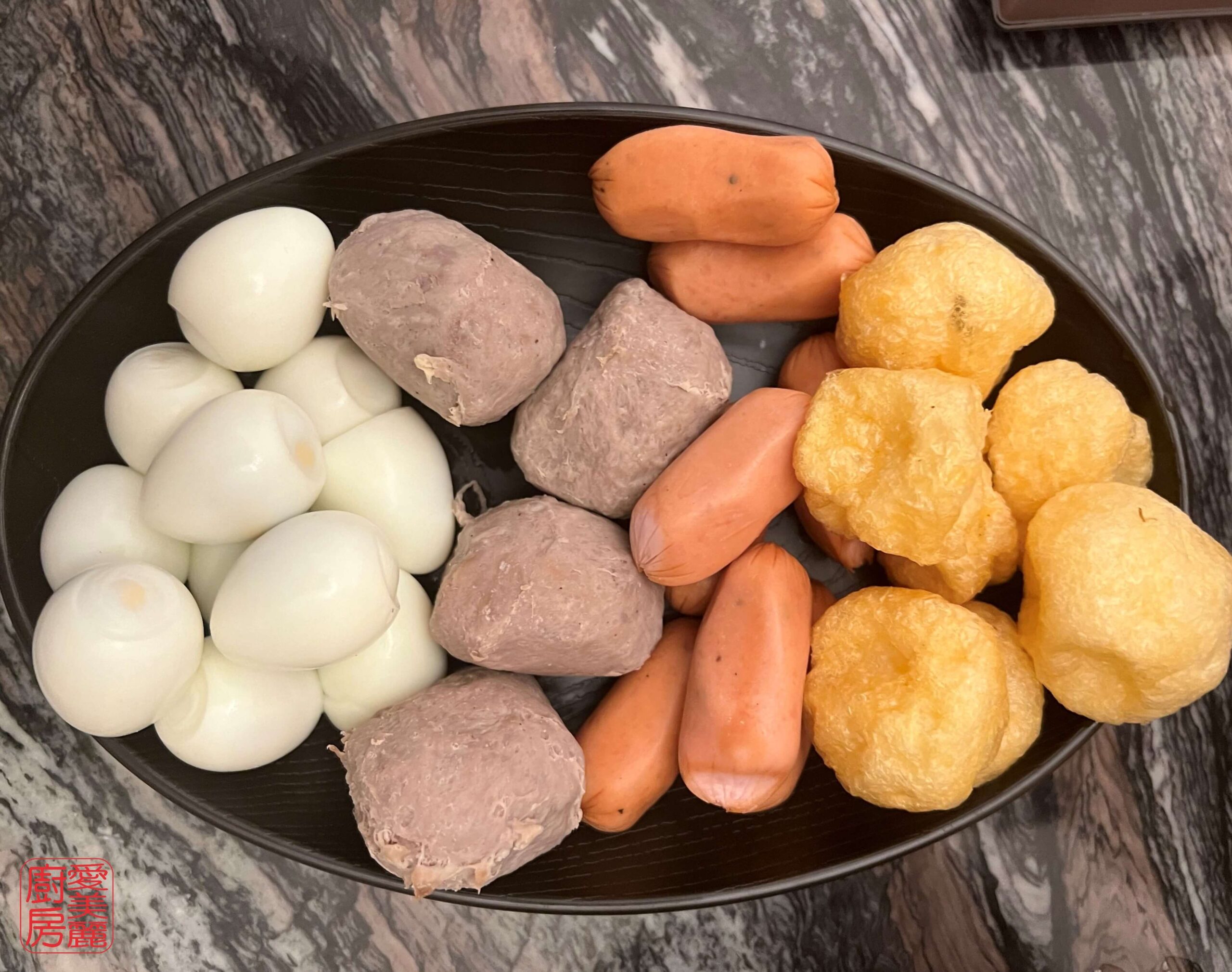
- Wieners and sausages 香腸 (xiāng cháng): kids especially love these. The ones with cheese inside are especially fun
- Chicken hearts and gizzards 雞心雞腎 (jī xīn jī shèn): refer to cautionary note in #1
- Pork liver 豬肝(zhū gān): a more pungent cut of meat. You should make sure everyone likes it before you add it to the soup. Depending on the amount, you could change the taste of the soup. Cooking time depends on thickness. Typically, a piece that is 5mm thick will take around 30 seconds in boiling soup
- Chinese meat balls 肉丸(ròu wán): comes in beef and pork. Store-bought ones are usually pre-cooked so just cook until they’re hot. Hot pot restaurants usually make their own and so they come raw
- Pork blood 豬紅 (zhū hóng): they usually come in a brick form, similar to tofu. You can cut them into cubes. But they also have properties similar to pork liver, so make sure everyone is on board before adding it
- Beef tripe 牛肚 (niú dǔ): they need to be cleaned, parboiled and sliced into strips
- Beef omasum 牛柏葉 (niú bǎi yè): same as beef tripe
- Luncheon meat 午餐肉 (wǔ cān ròu): for those who grew up eating Spam, it’s delicious! For others, they usually won’t even touch it! Very polarizing!
Fish:
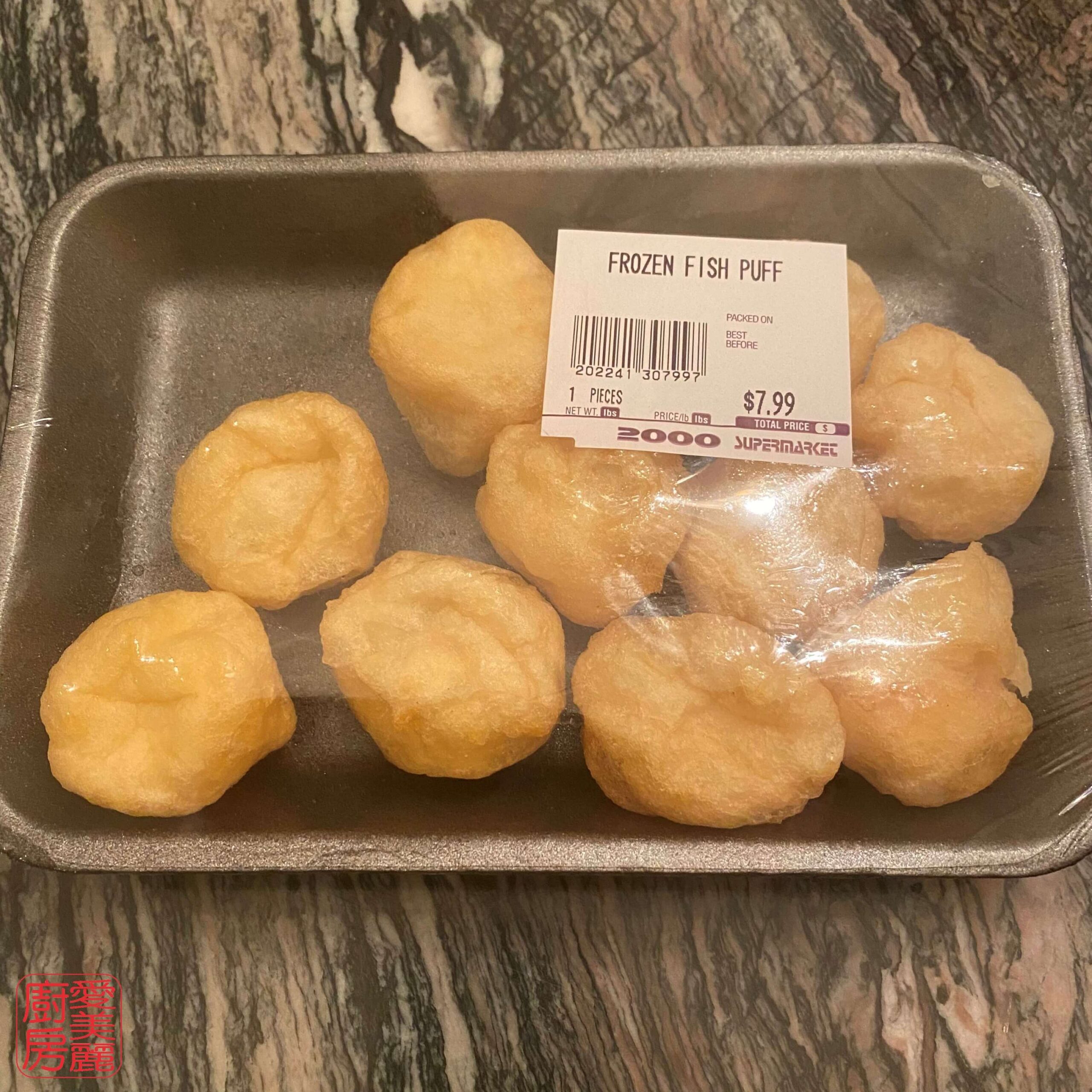

- Fish balls 魚蛋 (yú dàn): comes in deep-fried or non-fried. In a hot pot setting, I don’t taste much of a difference between the 2
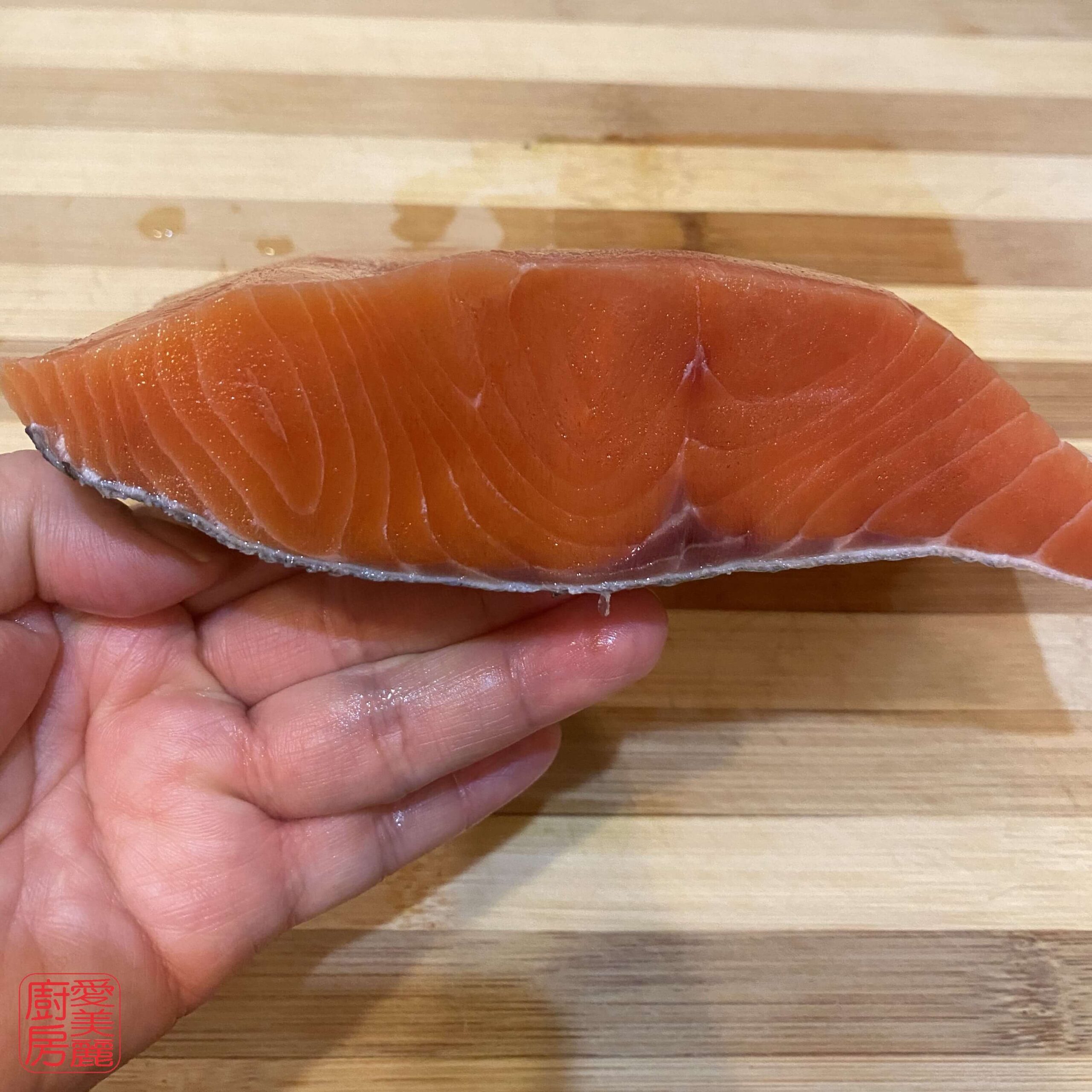
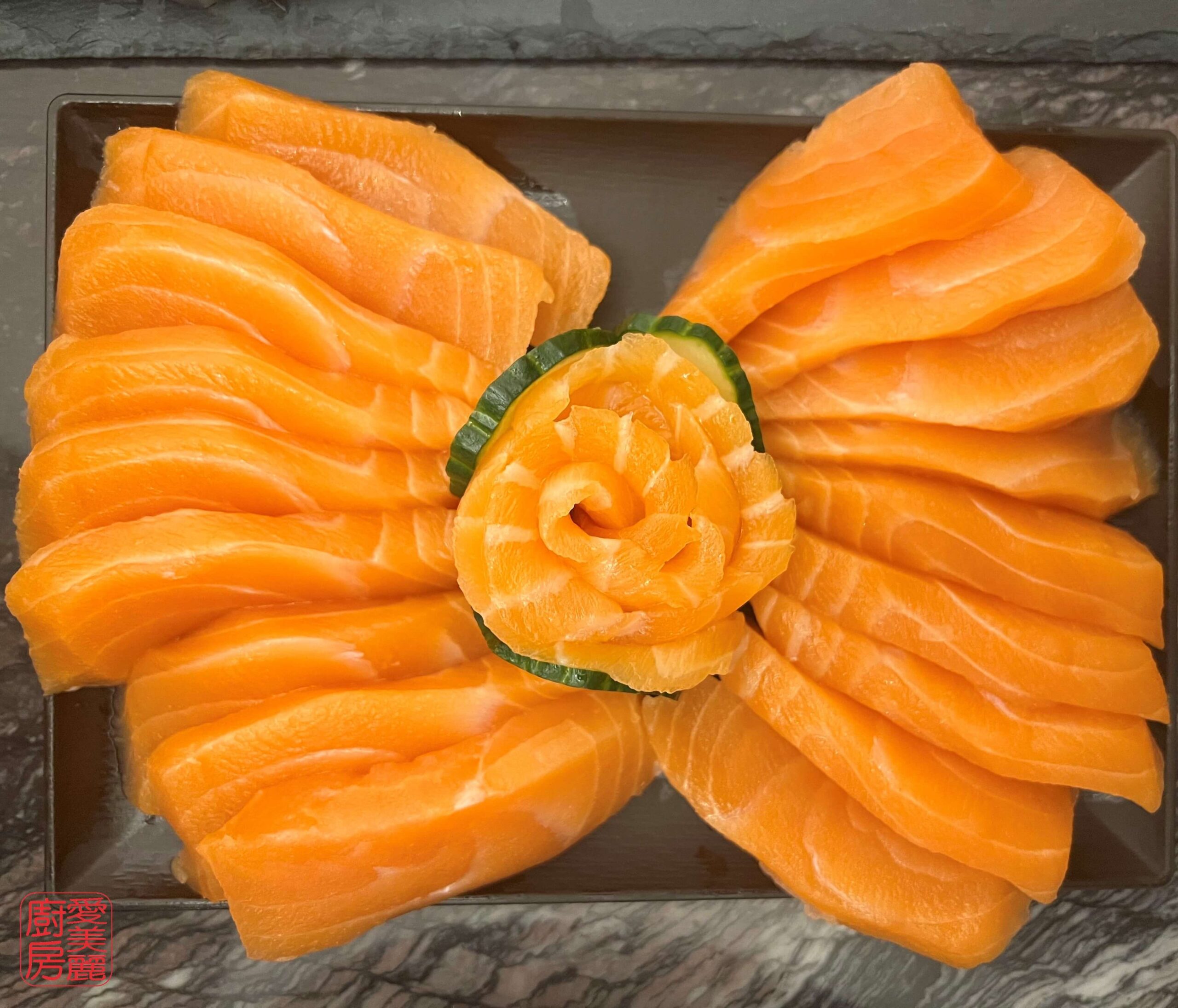
- Fish slices 魚片 (yú piàn): I like to use sashimi grade fish because I like the middle a bit raw. If you’ll be cooking it through, you can use any fish fillet. I would avoid fish like sole because it’s too delicate.
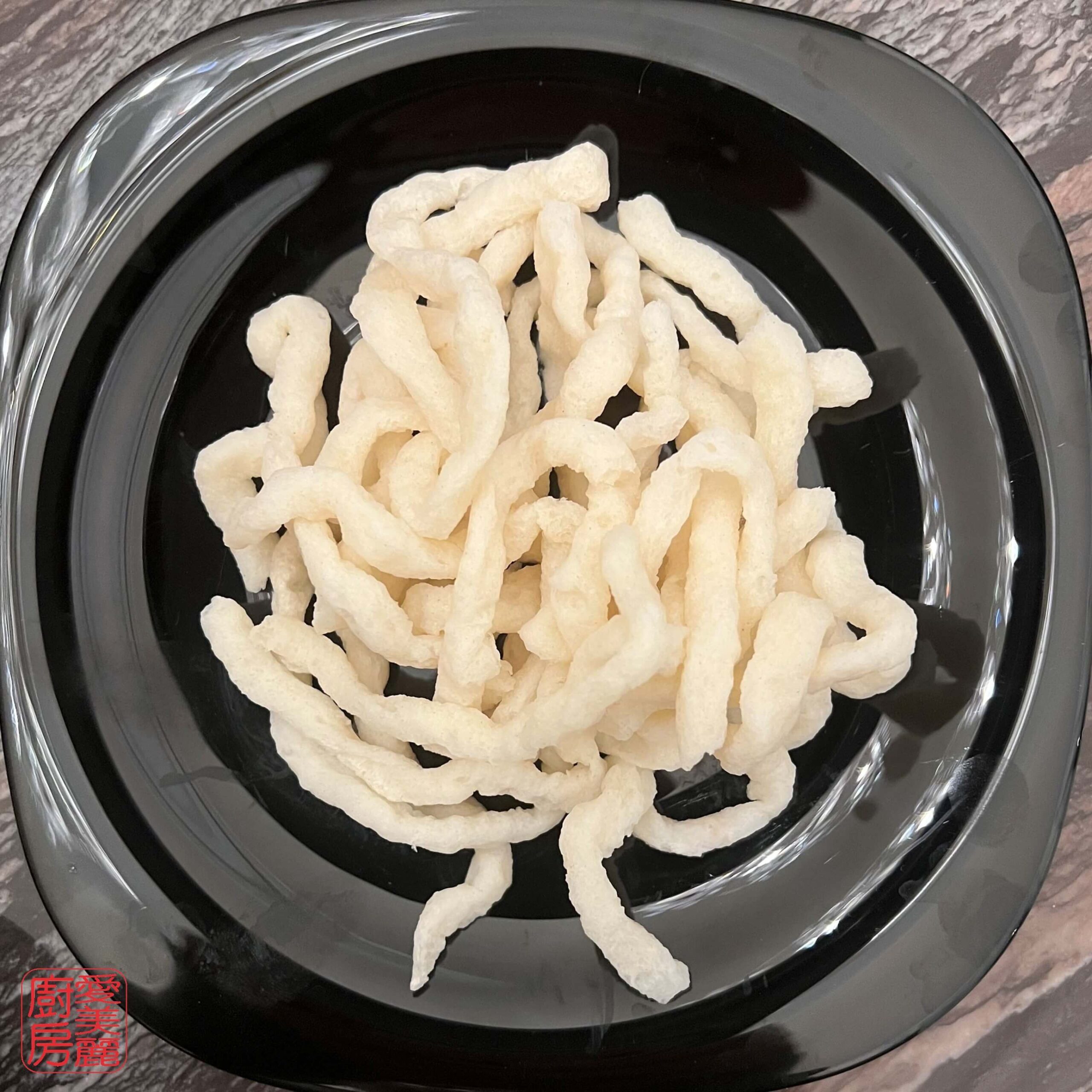
- Fish noodles 魚麵 (yú miàn): they come frozen either in noodle form or in a piping bag. The piping bag ones are more fun. When the soup is boiling, snip an opening on the piping bag and squeeze the fish paste out of the hole into the soup. You can make a super long noodle!
- Fish tofu/puff 魚腐 (yú fǔ): there are many types. Some are more like fish cake and others more like tofu. I like the ones that are airy.
- Deep fried fish skin 炸魚皮 (zhà yú pí): love these. Dip them in the soup for one second
- Fish skin dumplings 魚皮餃 (yú pí jiǎo): little wontons wrapped in chewy fish skin
Seafood:
I can’t think of any seafood that you can’t add. I’ll list some of the more popular ones.
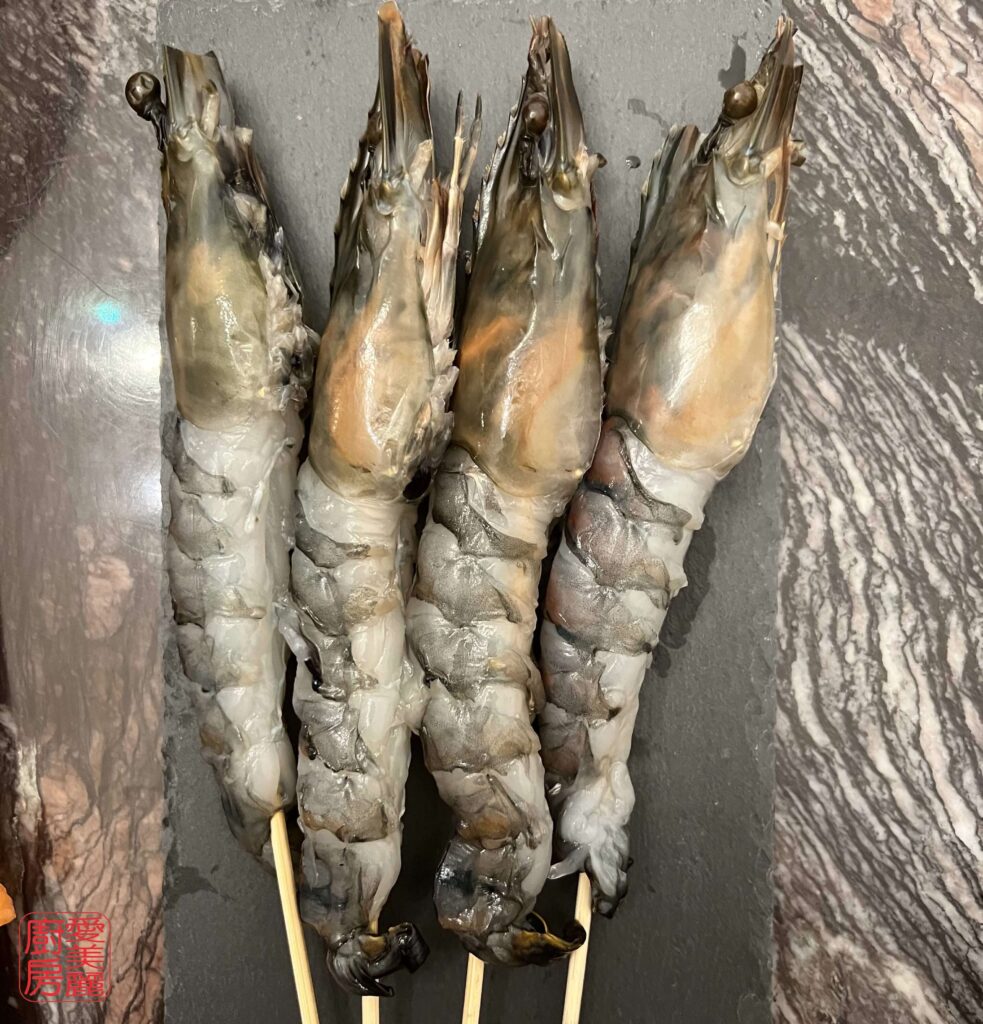
- Shrimp/prawns 蝦 (xiā): head-on, head-off, shell-on, shell-off…everything works. You will need to clean and devein them. I don’t like to touch my food with my hands when I eat, so I usually opt for head-off and shell-off. You can make them fancier by putting them on a skewer
- Geoduck 象拔蚌 (xiàng bá bang): one of my absolute favourites! But super expensive! They’re best eaten raw but you’ll need to get sashimi grade ones. They’re sweet and crunchy. If you cook them, they only need 2 seconds in boiling soup. If you overcook it, they become very chewy.
- Razor clams 蟶子 (chēng zi): I prefer taking them out of the shell prior to cooking. They also only need a few seconds in the boiling soup
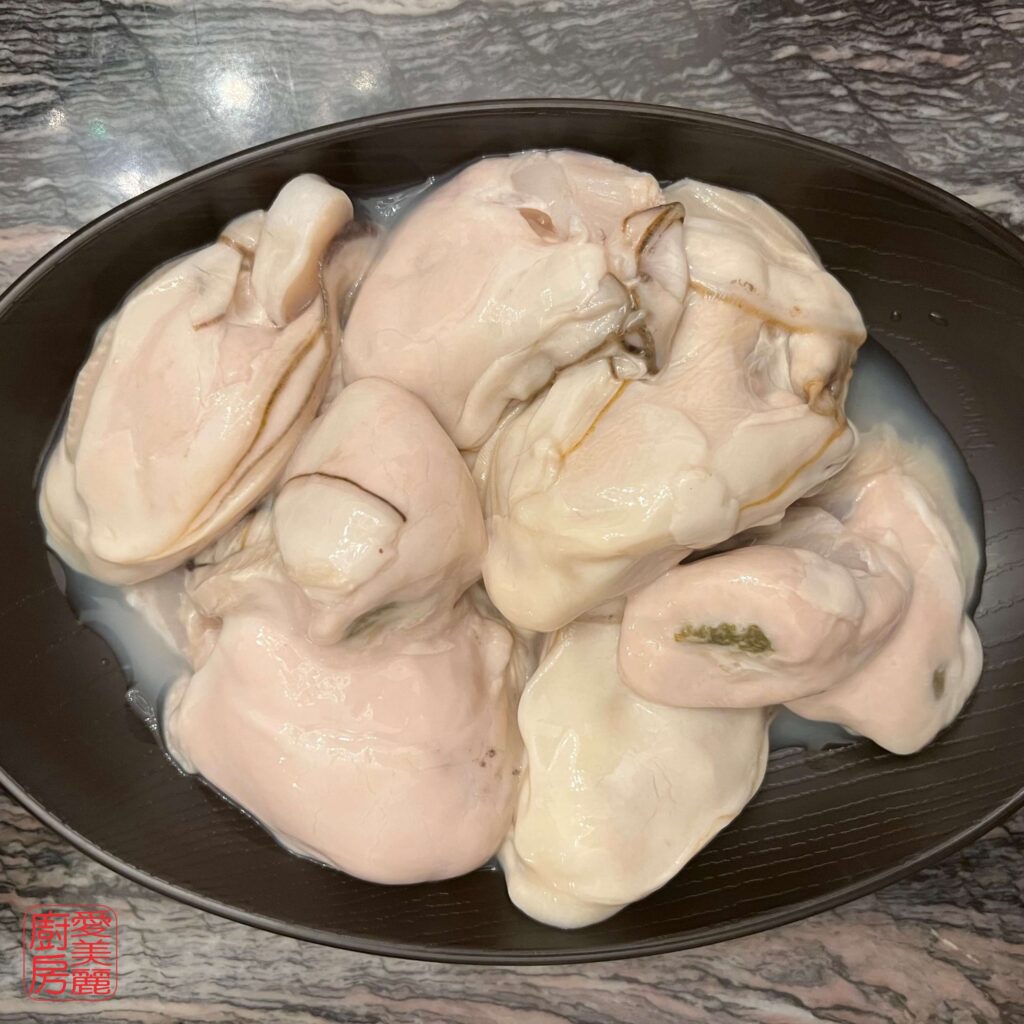
- Oysters 蠔 (háo): another favourite of mine. Cleaning them are a bit more work but totally worth it if you ask me! You can refer to my Deep-Fried Oysters recipe for cleaning instructions and tips
- Squid balls 墨魚丸 (mòyú wán): similar to fish balls but with little bits of squid
- Sea cucumber meat 桂花蚌 (guì huā bang): this is the inner muscle of the sea cucumber. It’s usually yellowy orange in colour and cooks in a matter of seconds. The outer black part of the sea cucumber is not usually used in hot pot.
Vegetables:

Again, anything goes, but here are some popular ones:
- Green leaf lettuce 唐生菜 (táng shēng cài): add this last. Cook for 1 minute
- Napa cabbage 大白菜 (dà bái cài) or 紹菜 (shào cài): add some in the beginning to help flavour the soup
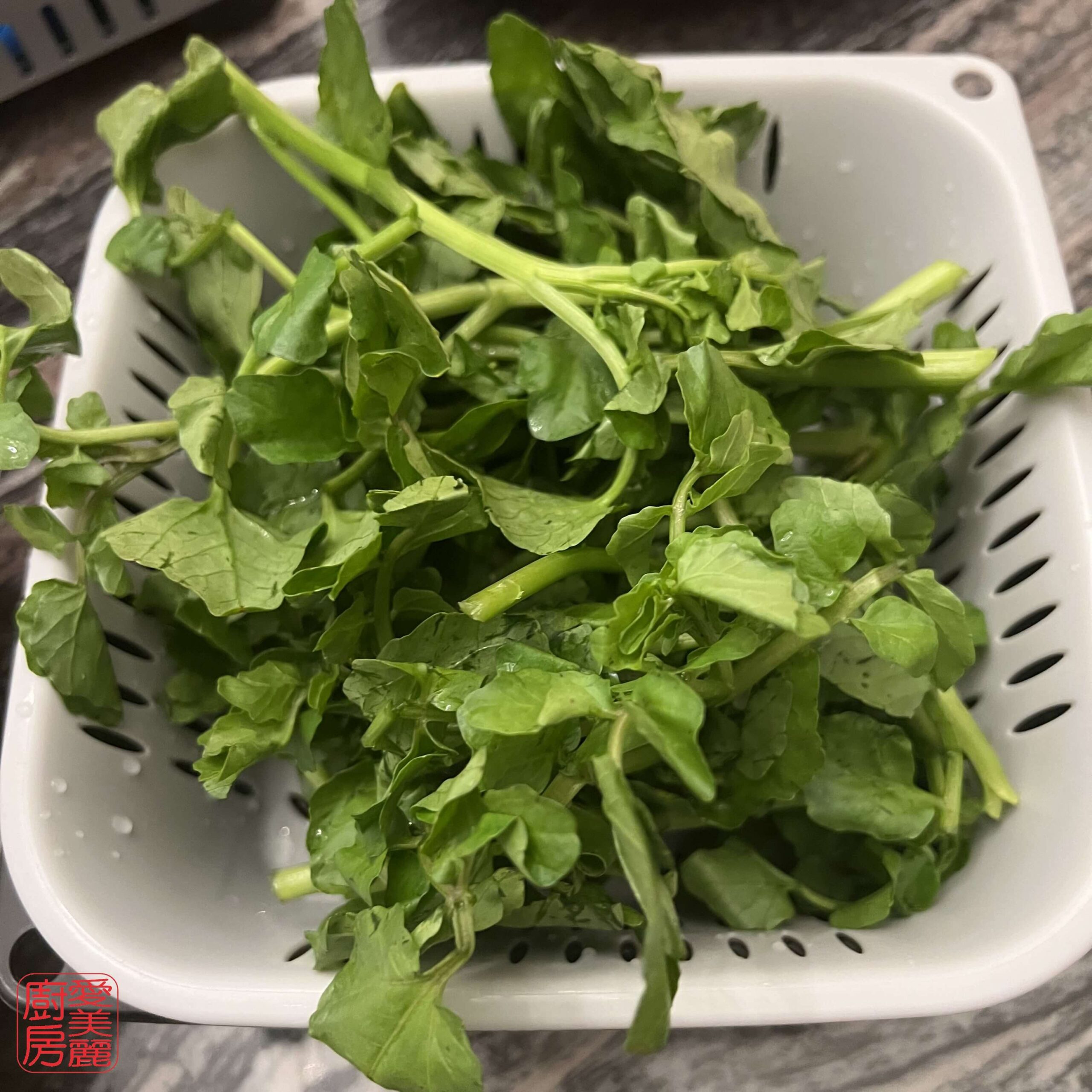
- Watercress 西洋菜 (xī yáng cài): add this last. It can cook for 1 minute or more. Gives the soup a distinct flavour and will reduce heatiness
- Tong ho 茼蒿 (tóng hāo): very distinct bold flavour. I’m the only one in my family who likes it
- Bok choy 小白菜 (xiǎo bái cài): not as common as it gives off a bit of a grassy taste
- White radish 白蘿蔔 (bái luó bo): very popular. Add this first to flavour the soup
- Corn 玉米(yù mǐ): very popular. Add at any time. And can flavour the soup
- Tomatoes 番茄 (fān qié)/西紅柿 (xī hóng shì): adds a bit of tang
- Potatoes 薯仔 (shǔ zǐ )/土豆 (tǔ dòu): I have never added potatoes because it can make the soup a bit thick. But lot of people love it in hot pot
- Deep-fried taro 炸芋頭 (zhà yù tou): must be deep-fried or else it turns to mush
- Lotus root 蓮藕 (lián’ǒu): super healthy and flavourful. Add in the beginning
- Spinach 菠菜 (bō cài): add anytime
- Bamboo shoots 竹筍 (zhú sǔn): add in the beginning to flavour the soup and anytime after that
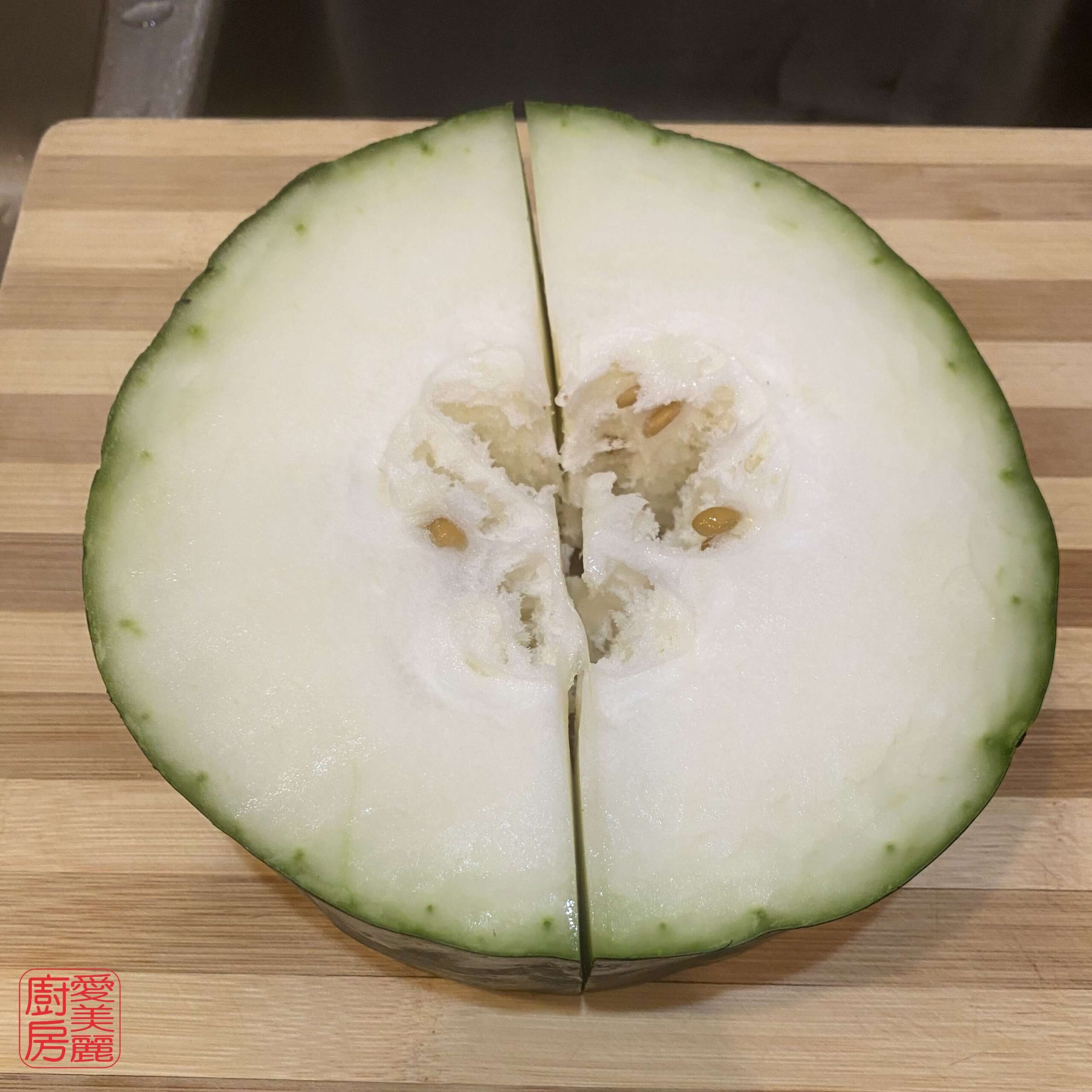
- Winter melon 冬瓜 (dōng guā): add in the beginning to reduce heatiness
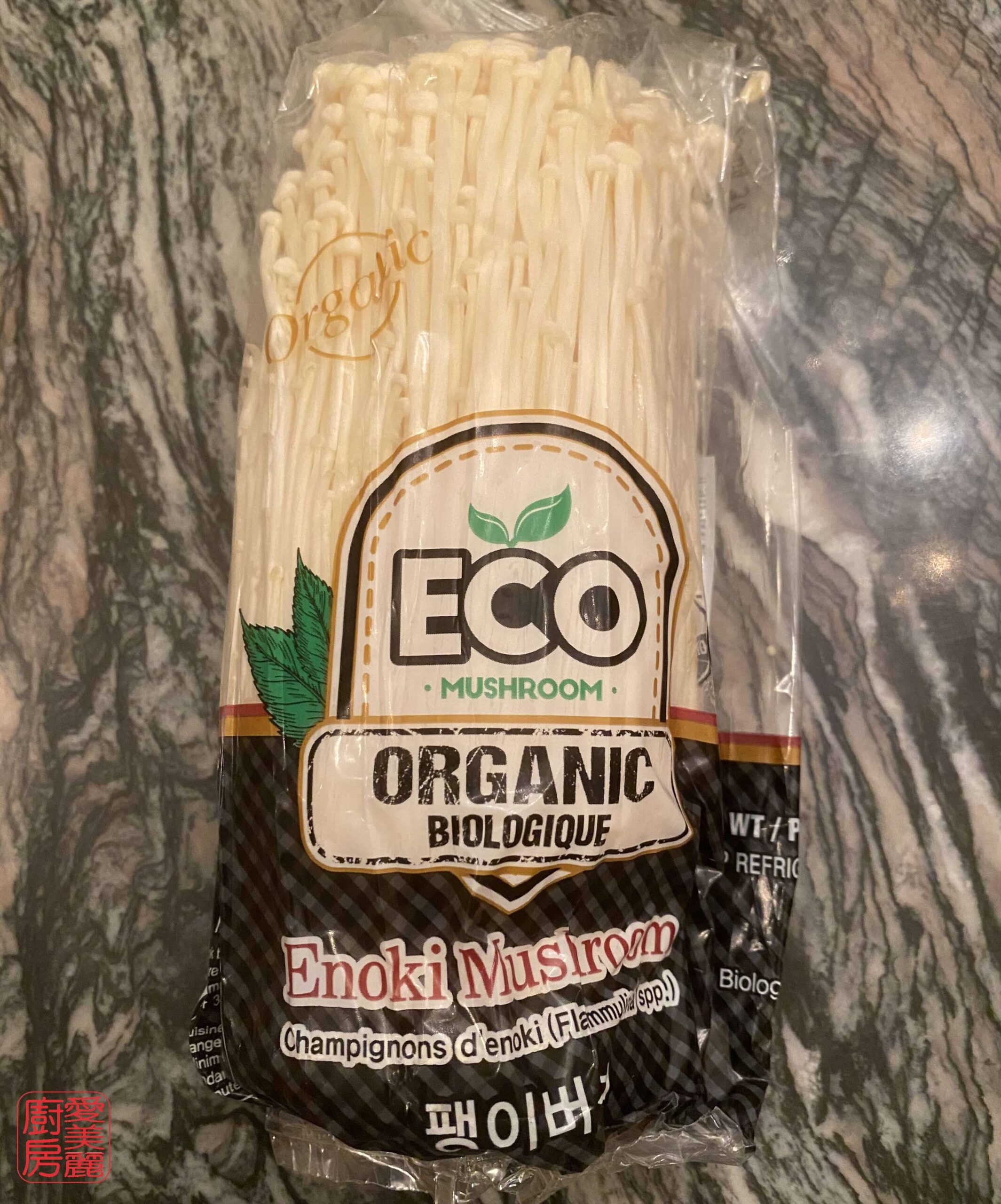
- Various mushrooms 菇類 (gū lèi): add in the beginning to flavour the soup and anytime after that. Includes shiitakes, enokis, shimeji, button
- Bean sprouts 芽菜 (yá cài): add in the beginning to flavour soup
- Carrots 紅蘿蔔 (hóng luó bo): add in the beginning to flavour soup
- Luffa 絲瓜 (sī guā): add anytime. Adds sweetness to soup
- Fuzzy melon 節瓜 (jié guā): add in the beginning to flavour soup
- Cilantro 香菜 (xiāng cài )/芫茜 (yán qiàn): add anytime. Very bold flavour
- Kelp 海帶 (hǎi dài): must first be soaked. Refer to my Mung Bean, Kelp and Rue Herb Sweet Soup 臭草海帶綠豆沙 recipe for tips on preparation
Others:

- Noodles 麵 (miàn): any noodle can be used but instant noodles, Shanghai noodles, udon, rice vermicelli are probably the most common ones
- Mung bean vermicelli 粉絲 (fěn sī): almost a must have. It’s great for absorbing the flavours of the soup
- Konjac noodles 芋絲 (yù sī): great low-fat option and high in fibre
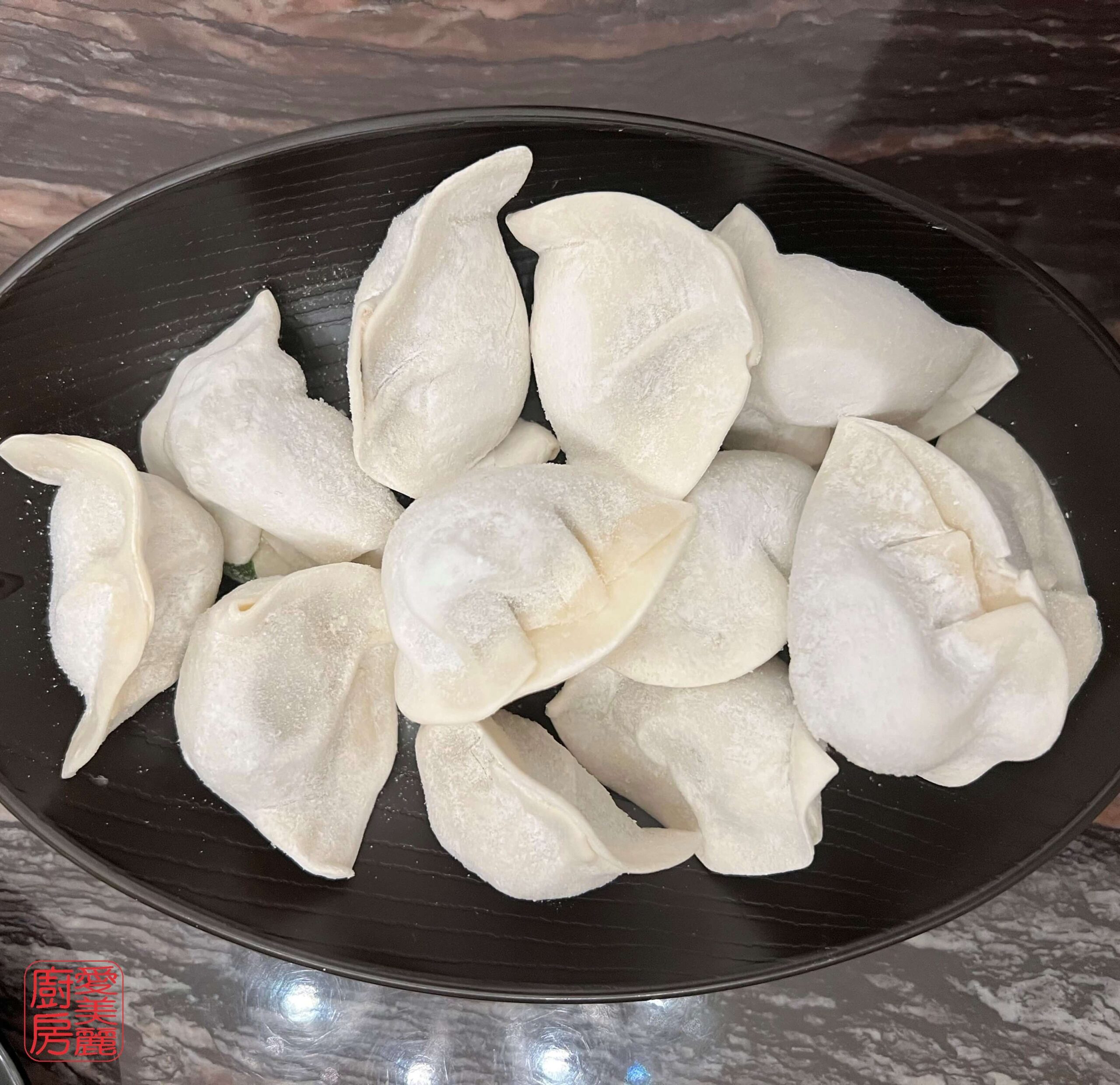
- Dumplings 餃子 (jiao zi): everyone’s favourite. But it takes a bit longer to cook. Small ones are better suited for hot pot
- Wontons 餛吞 (hún tūn): both Cantonese style or Shanghai style are popular
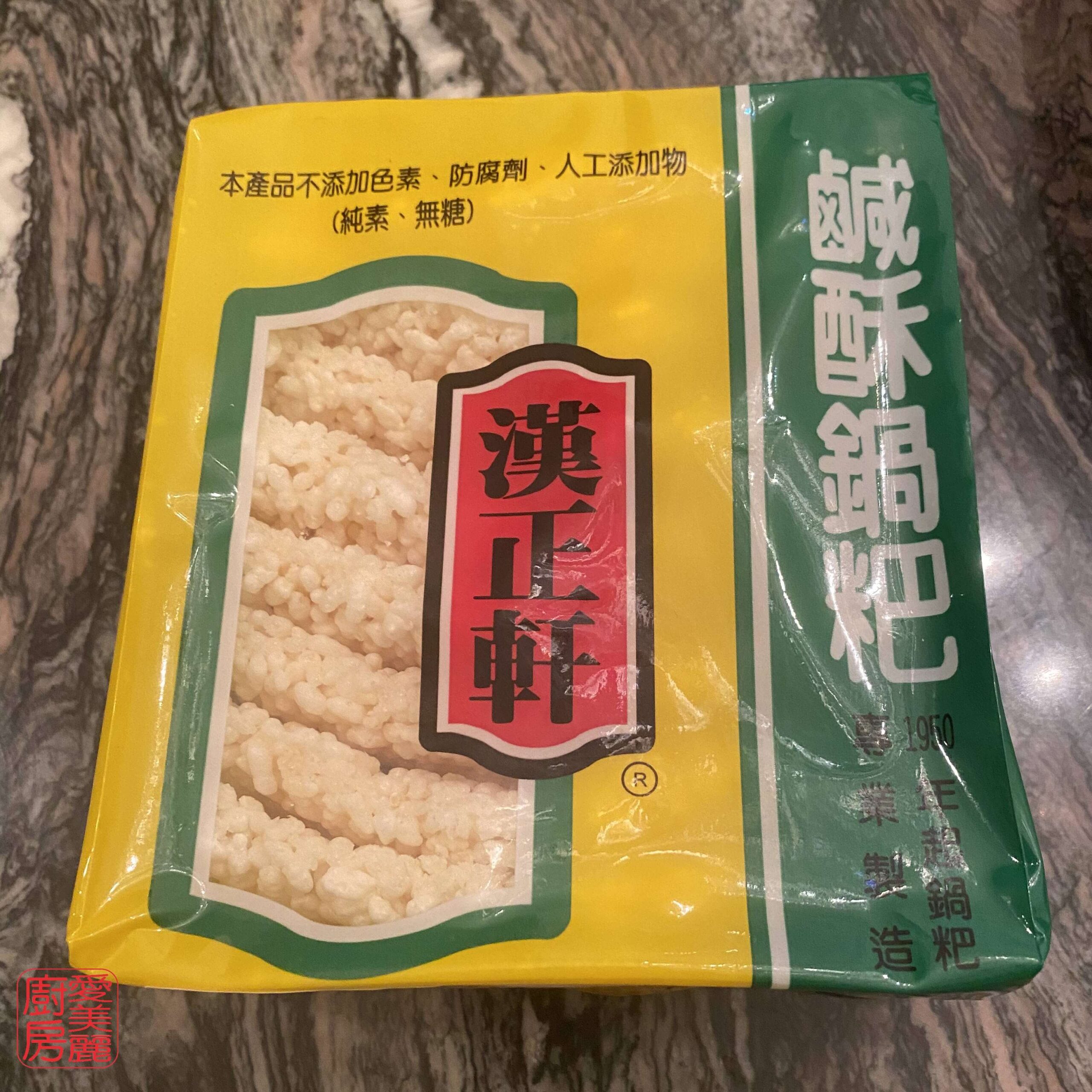
- Guoba 鍋巴 (guō bā): my sister’s recent discovery! We put it in our bowl and add hot soup on it. So good!
- Century eggs 皮蛋 (pí dàn): you can put it in the soup or eat it as an accompaniment
- Quail eggs 鹌鹑蛋 (ān chún dàn): my son’s favorite. Bite-size eggs
- Tofu 豆腐 (dòu fu): use firm or medium. Soft ones will break apart in the soup. Try putting a firm one in the freezer overnight. When you take it out, it’ll look like a sponge. Great for absorbing soup.
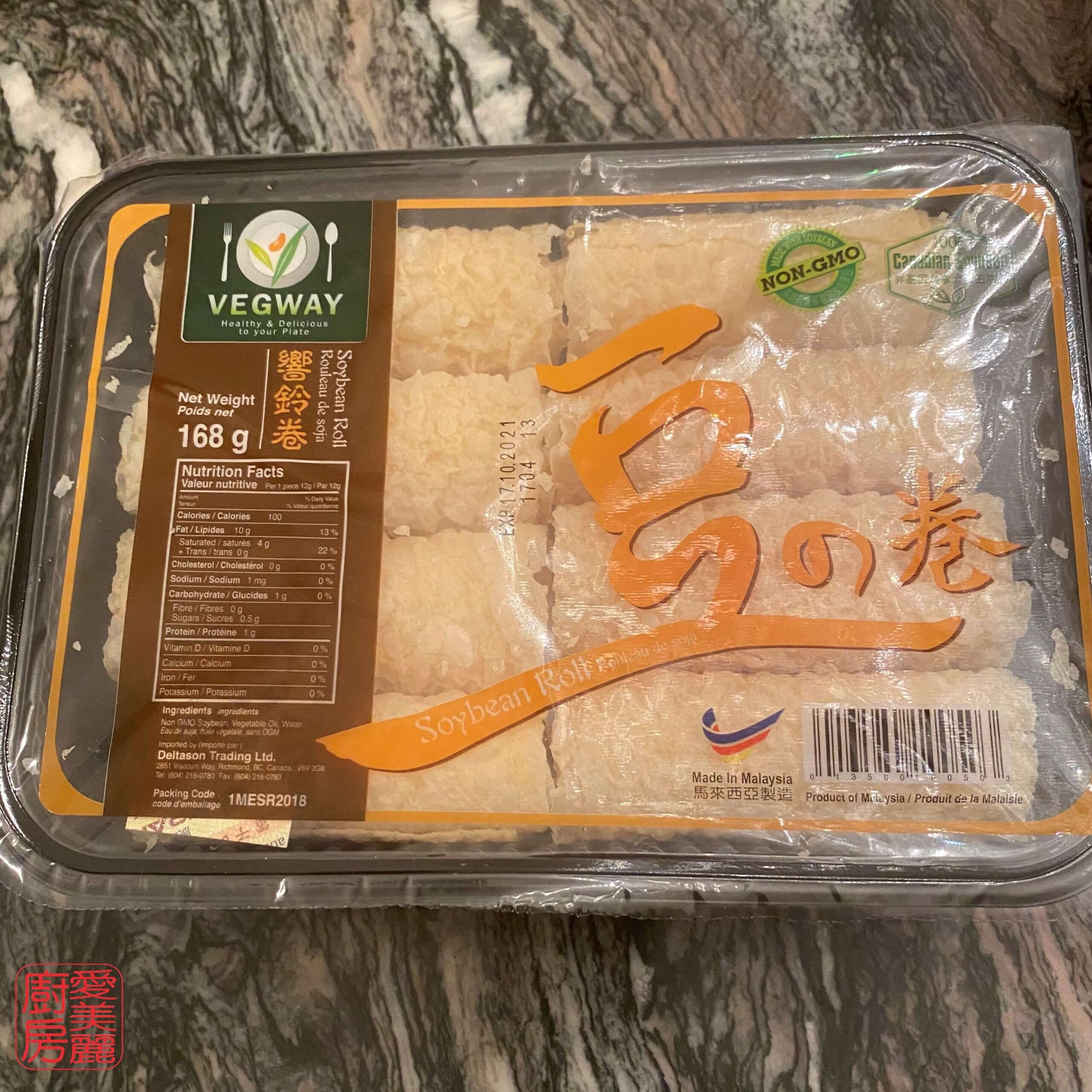
- Fried Beancurd Roll 響鈴卷 (xiǎng líng juǎn): light and airy. Dip them in the soup for 2 seconds and it should still be crispy
- Wheat gluten balls 麵筋 (miàn jīn): another favorite of mine. Absorbs soup and a bit chewy.
I hope this is useful for anyone who wants to learn more about hot pots. Happy hot potting!
Leave a Reply